How to Choose the Right Abstract Art for Your Space
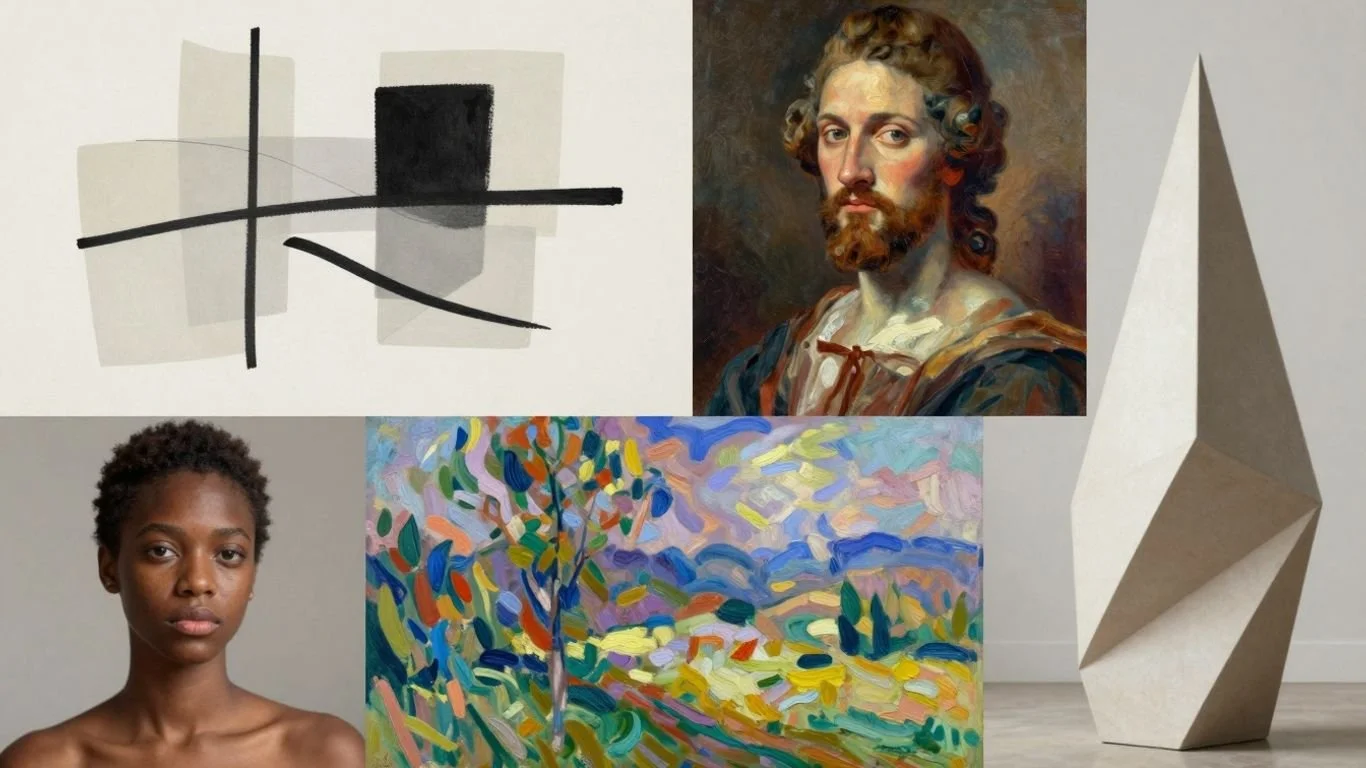
Thinking about adding some abstract art to your place? It can feel a bit tricky at first, right? Like, how do you even start picking something that isn't a picture of, well, anything specific? But honestly, it's more about what speaks to you and how it makes your space feel. Abstract art is super cool because it doesn't have to look like anything in particular. It's all about colors, shapes, and feelings. This guide will help you figure out how to choose abstract art that you'll love and that fits right into your home, making it feel more 'you'.
Key Takeaways
Figure out your own style first. Think about what colors you like, what kind of mood you want in a room, and what aesthetic feels right for you before you even look at art.
Don't forget about the size and scale of the artwork. A huge piece can be amazing, but make sure it fits the wall and the room. Sometimes a few smaller pieces work better.
Abstract art can really change the feel of a room. Bright colors can energize a space, while softer tones can make it feel more relaxed. Pick art that matches the vibe you're going for.
Placement is key. Think about where you'll put the art. A cool corner or a blank wall above the sofa can become a real focal point with the right piece.
Abstract art is really flexible. It can look great on its own, mixed with other styles, or even as part of a gallery wall. It's all about making it work for your home.
Understanding Your Personal Style
Before you even start looking at art, it's a good idea to think about what you actually like. This isn't about following trends or what someone else thinks is cool; it's about what makes you feel good in your own space. Your home should feel like you, and the art you choose is a big part of that. It's like picking out clothes – you wouldn't wear something just because it's popular if it doesn't fit your vibe, right? The same goes for art.
Identify Your Aesthetic Preferences
Think about the general look and feel you're drawn to. Are you someone who likes things clean and simple, or do you prefer a bit more energy and drama? Maybe you lean towards bold, bright colors, or perhaps muted, earthy tones feel more like home. It's helpful to look around your current space and notice what you've already collected or what kind of furniture you have. Do you find yourself drawn to geometric shapes, or are flowing, organic lines more your thing? Don't overthink it; just pay attention to what catches your eye.
Minimalist: Clean lines, simple forms, often neutral colors. Think uncluttered and serene.
Expressive: Bold colors, energetic brushstrokes, a sense of movement and emotion.
Geometric: Focus on shapes, patterns, and structure. Can be precise or playful.
Organic: Flowing lines, natural forms, often inspired by nature.
Consider Your Home's Color Palette
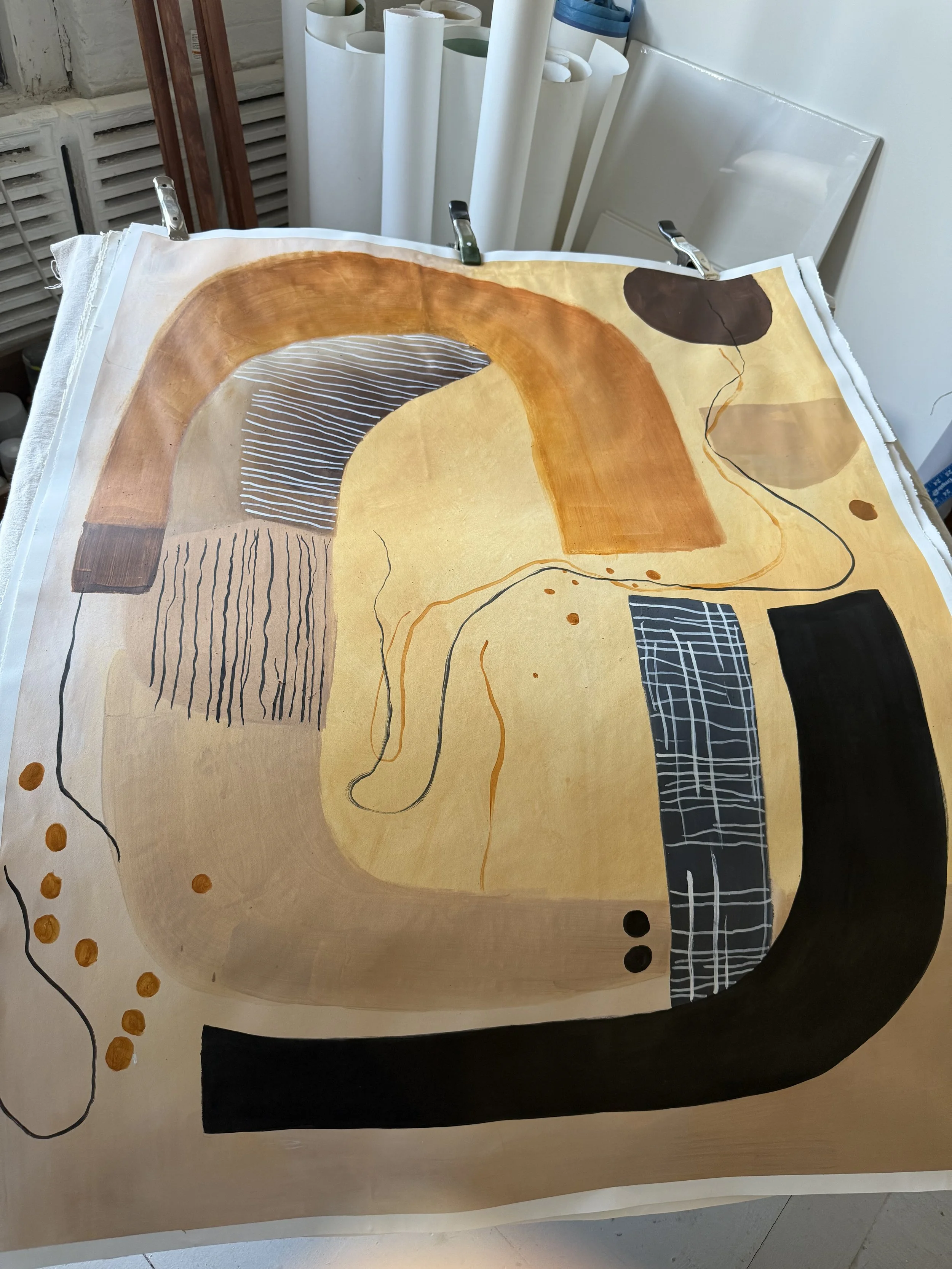
Color is a huge part of how a room feels. Take a look at the main colors in the room where you plan to hang the art. Are they mostly warm tones like reds and oranges, or cool tones like blues and greens? Do you have a lot of neutrals, or is your space already quite colorful? You can either choose art that picks up on your existing colors to tie the room together, or you can use art to introduce a completely new color scheme. Sometimes, a pop of a contrasting color in a piece of art can really make a room sing. It's all about creating a visual harmony, or sometimes a deliberate, exciting contrast. You can explore different interior design styles to get a better sense of color pairings.
Determine the Desired Mood
What kind of atmosphere do you want to create in this particular room? Are you aiming for a calm and relaxing sanctuary, like a bedroom or a reading nook? Or are you looking for something more stimulating and energetic for a living area or a home office? Abstract art is fantastic because it can evoke so many different feelings. A piece with soft blues and flowing lines might make you feel peaceful, while something with sharp angles and vibrant reds could energize you. Think about how you want to feel when you're in that space.
Art doesn't always need to have a deep, hidden meaning to be effective. Sometimes, the most impactful pieces are the ones that simply bring you joy or create the atmosphere you're looking for. Trust your gut feeling about what works for your home.
Selecting the Right Abstract Artwork
So, you've decided to bring some non-representational art into your home. That's great! But with so many original abstract paintings for sale, how do you actually pick the one that's right for you? It can feel a bit daunting, especially if you're new to buying abstract art. Don't sweat it, though. We're going to break down some simple tips for choosing wall art that will make your space feel just right.
Evaluate Size and Scale
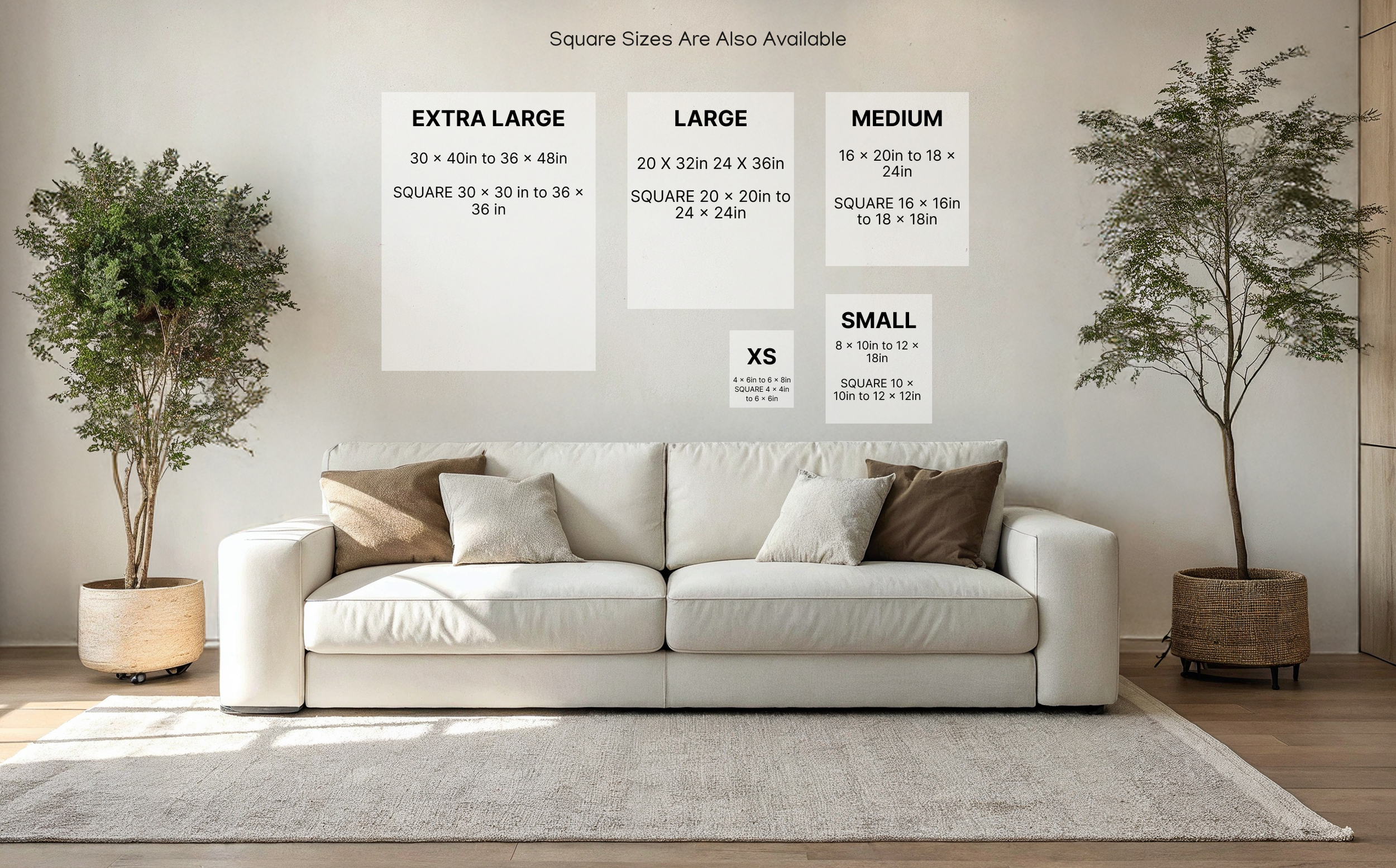
This is a big one. The size of your artwork needs to make sense for the wall and the room it's going in. A tiny painting on a massive wall can look lost, and a huge piece crammed into a small nook can feel overwhelming. Think about the furniture too. Generally, an artwork should be about two-thirds the width of the sofa or table it's above. If you're looking at buying abstract paintings, consider how they'll fill the space. For larger areas, a single, commanding piece can be fantastic. Alternatively, a collection of smaller pieces can create a dynamic gallery wall effect.
Here's a quick guide:
Large Walls: Consider one large statement piece or a curated gallery wall of multiple smaller works.
Medium Walls: A single medium-sized piece or a pair of artworks often works well.
Small Spaces/Nooks: Opt for smaller, more intimate pieces. A series of three small pieces can also work nicely.
Consider Subjective Themes and Emotions
Even though abstract art doesn't show a clear picture, it still evokes feelings and ideas. When you're looking at original abstract paintings for sale, pay attention to what the piece makes you feel. Does it bring a sense of calm with its soft colors and flowing lines? Or does it energize you with bold strokes and vibrant hues? This is where the minimalist vs. expressive art debate comes into play. Are you drawn to the quiet contemplation of a minimalist piece, or the raw energy of something more expressive? The emotions the art stirs in you are key to how it will impact the mood of your room, especially when you're thinking about how to choose art for a living room.
The colors, textures, and shapes in abstract art communicate on a primal level. Trust your gut feeling; if a piece speaks to you, it's likely a good fit for your personal space.
Exploreing Different Styles and Forms
Abstract art isn't just one thing. There are so many variations! You've got geometric abstracts with clean lines and shapes, lyrical abstracts that are more fluid and painterly, and color field paintings that focus on large areas of color. When you're buying non-representational art, think about which style aligns best with your home's overall aesthetic. If your home is modern and clean, geometric might be perfect. If it's more bohemian or eclectic, you might lean towards something more expressive or textured. Don't be afraid to mix and match if you're creating a gallery wall, but try to find some common thread, whether it's a color palette or a general mood, to tie them together.
Integrating Abstract Art into Your Decor
So, you've picked out some abstract art that really speaks to you. Now comes the fun part: figuring out how to make it fit into your home's look. It's not just about hanging a picture; it's about making the art a part of the room's story. The goal is to make your space feel more alive and personal.
Create a Colorful Focal Point
Sometimes, a room just needs a little something extra to grab your attention. A vibrant abstract piece can do just that. Think of a canvas bursting with bright colors – maybe a fiery orange or a deep ocean blue. This kind of artwork can become the main event in your living room or dining area. It sets the mood and can even influence the other colors you use in the room. It’s a great way to add personality and energy.
The Color-Block Effect
If you like bold statements, consider abstract art that uses large blocks of solid color. This style is really eye-catching. Imagine a painting with distinct sections of red next to blue, or yellow beside green. It adds a modern, graphic feel to your walls. It’s a simple yet effective way to bring a burst of playful energy into your home, turning a plain wall into a piece of art itself.
Utilize Neutral Shades for Sophistication
Not all abstract art needs to be loud. Pieces that use neutral colors – like soft grays, warm beiges, or creamy whites – can bring a sense of calm and elegance. These artworks act as a sophisticated backdrop, adding texture and interest without overwhelming the space. They're perfect for creating a serene atmosphere, especially in rooms where you want a more relaxed vibe. This approach to decorating with abstract pieces shows that subtlety can be just as impactful as bold color.
Strategic Placement and Arrangement
So, you've picked out some fantastic abstract art. Now comes the fun part: figuring out where it all goes. It's not just about sticking a painting on any old wall; it's about making it work with your space. Think of it like arranging furniture – placement really matters.
Focus on Corners and Overlooked Spaces
Don't just default to the biggest, most obvious wall. Sometimes, a smaller piece tucked into a corner can add a surprising amount of personality. Think about that awkward nook by the entryway or a blank wall in a hallway. A well-placed abstract piece can turn these forgotten spots into something special. It’s about adding visual interest where people least expect it.
Achieve Balance with Artwork Scaling
This is where things get interesting. You don't want every piece to be the same size, nor do you want one giant piece dominating a tiny wall. The goal is balance. If you have a large sofa, a big canvas above it can look great. But for smaller areas, a collection of smaller pieces or a single, more modestly sized artwork might be better. It’s about making the art feel like it belongs, not like it’s an afterthought.
Here’s a simple way to think about it:
Large Walls: Consider a single large statement piece, a diptych (two panels), or a curated gallery wall.
Medium Walls: A medium-sized artwork or a pair of smaller pieces often works well.
Small Spaces/Corners: A single smaller piece or a vertical arrangement of a few items can add impact without overwhelming.
Create Thematic Continuity
If you have multiple abstract pieces, think about how they relate to each other. Do they share a similar color palette? Do they evoke a similar feeling? Even if they're different, arranging them in a way that feels cohesive can tie different parts of your home together. This doesn't mean they have to match perfectly; it's more about a shared vibe. Maybe one wall has a bold, geometric piece, and another has a softer, more fluid one, but they both use shades of blue. That connection makes the whole house feel more put together.
When arranging art, especially multiple pieces, aim for a visual flow. Imagine drawing a line through the center of each piece; ideally, these lines would create a pleasing shape or rhythm across the wall or room. It’s about creating a visual conversation between the artworks and your space.
Exploring Different Presentation Styles
Abstract art is super flexible, and how you show it off can really change the whole vibe of your room. It's not just about the painting itself, but also how it's framed, where it hangs, and what it's paired with. Let's look at a few ways to present these pieces so they really pop.
Consider Unframed Canvas Options
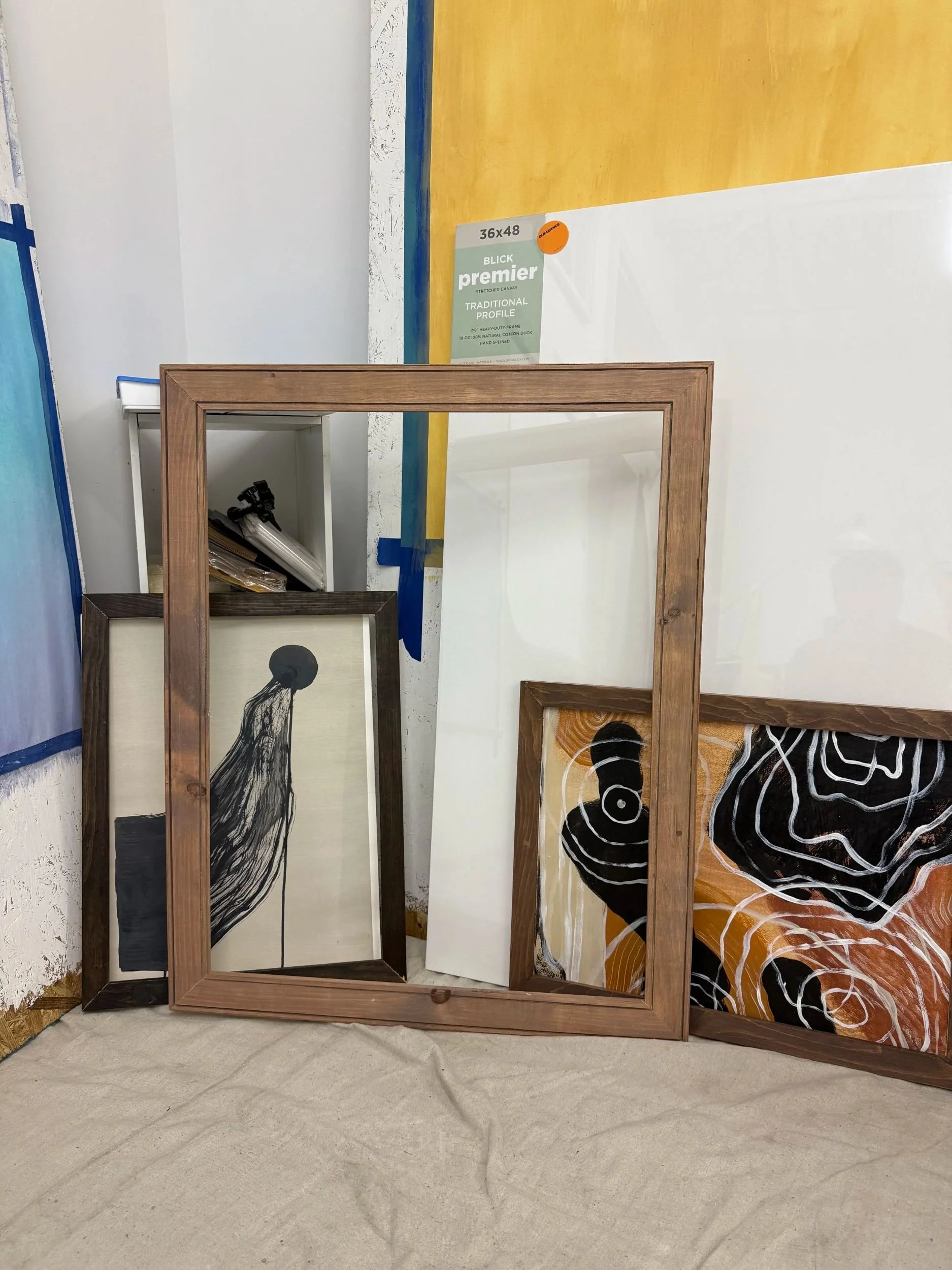
Sometimes, the art is best left to speak for itself, without the distraction of a frame. An unframed canvas can give a really modern, gallery-like feel. The edges of the canvas become part of the artwork, and it often feels more immediate and less formal. This style works especially well with bold, textured pieces where the material itself adds to the visual interest. It's a way to let the raw energy of the art come through.
Experiment with Pairs of Artworks
Putting two abstract pieces together can create a really interesting dialogue. You could hang two pieces that are similar in color or theme side-by-side, or go for a contrast. Think about hanging them with a small, consistent gap between them. This approach can fill a larger wall space more effectively than a single piece and can create a more dynamic visual experience. It’s like a mini-exhibition right in your home.
Mix Abstract with Photorealistic Elements
This is where things get really fun. Combining abstract art with more realistic pieces, like photographs or detailed illustrations, can create a really unique look. The abstract piece might provide a burst of color or texture that complements a more grounded image. Or, a realistic piece could ground a very wild, abstract work. It’s all about playing with contrast and finding a balance that feels right for your space. It shows you've got a thoughtful approach to your decor.
Making Abstract Art Work with Existing Styles
Combine Modern Trends with Traditional Elements
So, you've got a place with some older furniture, maybe some classic pieces you really love. You might be thinking abstract art is just for super modern homes, right? Wrong! Mixing abstract art with traditional elements can actually create a really cool vibe. It's like a conversation between different time periods happening right on your wall. Think about a room with a nice antique dresser or a comfy, traditional sofa. Adding a bold, colorful abstract piece can really make it pop and give the whole space a fresh, unexpected twist. It shows you appreciate history but aren't afraid to bring in something new and exciting.
Abstract Art in Minimalist Spaces
Minimalist homes are all about clean lines and keeping things simple. Sometimes, they can feel a little… plain. That's where abstract art shines. A single, well-chosen abstract piece can be the star of the show in a minimalist room. It adds a splash of color or an interesting shape without making the space feel cluttered. It's like the perfect accessory that pulls everything together. You don't need a lot; one strong piece can do wonders. It gives the room personality without overwhelming it. The key is to pick a piece that has enough visual weight to stand out but still fits the calm, uncluttered feel of the room.
Let Abstract Art Be a Conversation Starter
Honestly, abstract art is just plain interesting. People look at it and wonder what it means, what the artist was thinking. That's exactly why it's great for starting conversations. When you have guests over, a unique abstract piece can get everyone talking. You don't even need to know all the fancy art terms or understand every single abstract art style explained. Just sharing why you like it, or what it makes you feel, is enough. It's a personal connection to the art that matters most. It adds character to your home and gives people something fun to discuss beyond the weather or what's for dinner. It's a way to show off your personality without saying a word.
Wrapping It Up
So, picking out abstract art for your place doesn't have to be some big, complicated thing. It's really about finding pieces that just feel right to you and make your home feel more like, well, you. Whether you're into bold colors or more subtle stuff, there's definitely something out there. Don't forget to think about where it'll go and what kind of vibe you're going for. And hey, even if you're on a tighter budget, there are tons of great prints and more affordable options. Ultimately, adding abstract art is a fun way to give your space a little extra personality and make it a place you really love spending time in.
Frequently Asked Questions
What is abstract art and why is it popular for homes?
Abstract art uses colors, shapes, and lines instead of showing real things. It's popular because it can fit with almost any style and adds a cool, unique touch to your room. It lets you show your feelings and ideas without using words.
How do I pick abstract art that matches my home's style?
Think about what colors you like and the mood you want. Do you like bright and bold, or soft and calm? Look at the colors already in your room. Choosing art that either fits in or stands out in a good way will make your space look great.
Can abstract art look good with older, traditional furniture?
Yes, totally! Mixing new abstract art with older furniture can be really interesting. It creates a cool contrast, making both the old and new pieces stand out more. It adds depth and makes your room feel more special.
Where's the best place to hang abstract art?
You can hang it anywhere! Big pieces look awesome over a couch or fireplace. Smaller pieces can brighten up empty corners or hallways. Think about what you want to see when you walk into the room.
What if I don't have a lot of space for art?
No problem! You can still add abstract art. Try a smaller piece that fits on a shelf or a small table. Or, create a 'gallery wall' with a few smaller pieces grouped together. This adds a lot of style without taking up too much room.
Does abstract art have to be expensive?
Not at all! While original paintings can cost a lot, there are tons of beautiful prints and reproductions that are much more affordable. You can find amazing art that fits your budget and your style.